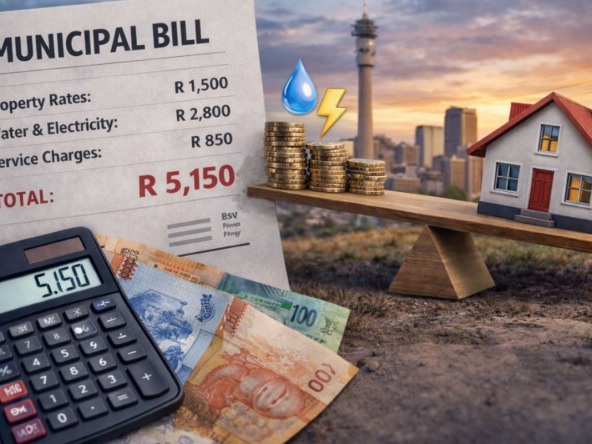
South Africa’s 2026 National Budget Speech, delivered by Finance Minister Enoch Godongwana, is about far more than tax tables and headline numbers. For property buyers and homeowners, the budget sets the financial backdrop against which decisions about buying, selling, refinancing, or simply holding onto a home are made.
While the budget does not directly determine home loan interest rates, it influences affordability through taxes, transfer duty, inflation assumptions, and housing support. Understanding these moving parts can help buyers and homeowners make better decisions in 2026.
Why the budget matters to the property market
Property is uniquely sensitive to household cash flow. Even modest changes in personal taxes, administered prices, or upfront buying costs can affect who can afford to buy, how much they can borrow, and how confident households feel about taking on long-term debt.
The property market is entering the year with interest rates on hold, cautious economic growth, and ongoing pressure on public finances. That makes this budget especially relevant for anyone planning a property move.
Transfer duty: the budget change buyers feel immediately
One of the most important budget items for home buyers is transfer duty, payable to the South African Revenue Service (SARS) when property changes hands.
Currently, properties priced below R1.2 million are exempt from transfer duty. This threshold was last adjusted to give buyers some relief as prices rose.
In the 2026 budget, buyers will be watching closely to see whether:
- Transfer duty thresholds are adjusted again to keep pace with inflation
- Or whether thresholds remain unchanged, effectively increasing upfront costs for more buyers as prices rise.
For first-time buyers and those in the affordable to mid-market price bands, this matters because transfer duty does not affect your monthly bond repayment, but it can significantly increase the cash you need upfront, alongside conveyancing and registration costs.
Taxes and take-home pay: affordability starts with income
Another key budget question is whether the Treasury introduces new tax measures or relies on improved revenue collection. Even without explicit hikes, a lack of meaningful inflation adjustment to tax brackets can leave households with less real income over time.
For property buyers, reduced take-home pay can:
- Lower the bond amount banks are willing to approve
- Reduce the buffer available to rate increases and emergencies
For homeowners, tighter household budgets can make repayments feel heavier, even when interest rates remain unchanged.
In property terms, affordability is rarely about one dramatic change. It is about how many small pressures accumulate in a household’s monthly budget.
Interest rates and inflation: the wider financial backdrop
Although interest rates are set by the South African Reserve Bank, not the national budget, the treasury’s inflation outlook and spending choices still matter.
At the start of 2026, the repo rate stands at 6.75%, with inflation relatively contained. The stability has supported buyer confidence after a volatile few years. However, the budget’s assumptions around inflation, public-sector wages, and administered prices such as electricity and fuel can influence expectations about where rates may go next.
For homeowners, this reinforces an important point: even when rates are steady, rising everyday costs can reduce the breathing room in your monthly budget.
VAT and the cost of living: the indirect property impact.
VAT and other broad-based revenue measures are often discussed ahead of the budget, even if no immediate change is announced.
For property owners and buyers, VAT matters less for bond repayments and more for:
- Building materials and home improvements
- Maintenance and renovations
- The general cost of living, which affects how much income is left after essentials
Any increase in indirect taxes tends to ripple through household budgets, making affordability tighter without changing interest rates or home prices on paper.
Housing support and first-time buyers: what to watch
Government housing programmes play a quieter but important role in the property ecosystem, particularly for first-time buyers in the so-called “gap market”.
FLISP offers a once-off subsidy to qualifying households to help reduce the cost of buying or building a first home. Budget allocations to human settlements and housing finance can influence how accessible and efficient these programmes are in practice.
For buyers who may qualify, understanding how these subsidies work and whether funding and administration are prioritised can make a meaningful difference to affordability.
What does this mean for you?
If you are planning to buy, the budget should be seen as a planning tool rather than a signal to rush or delay your purchase. Buyers should factor in potential transfer duty changes when setting a price range, budget conservatively that leaves room for rising living costs, and check whether they qualify for FLISP and prepare documentation early.
If you are a homeowner, the budget is less about dramatic changes and more about household resilience. Now is a good time to review your monthly budget with a focus on non-bond expenses, consider building a small repayment buffer while rates are stable, and keep an eye on municipal tariffs and service costs, which often follow budget signals.
Article Source: https://www.myproperty.co.za/news/market-and-opinion/what-the-national-budget-could-mean-for-property-buyers-and-homeowners-in-2026-06-02-26